
Kodak Snapic A1
Sample photos and thoughts about the new film camera from Reto

The Kodak Snapic A1 is a brand new 35mm film camera produced by Reto, Kodak’s brand licencsee in Hong Kong.

The Snapic stirred up a lot of interest when teased on social media, mostly thanks to its top LCD panel. Reto have previously produced relatively simple film cameras, so the LCD, along with a glass lens and zone focus, was a great leap forward.
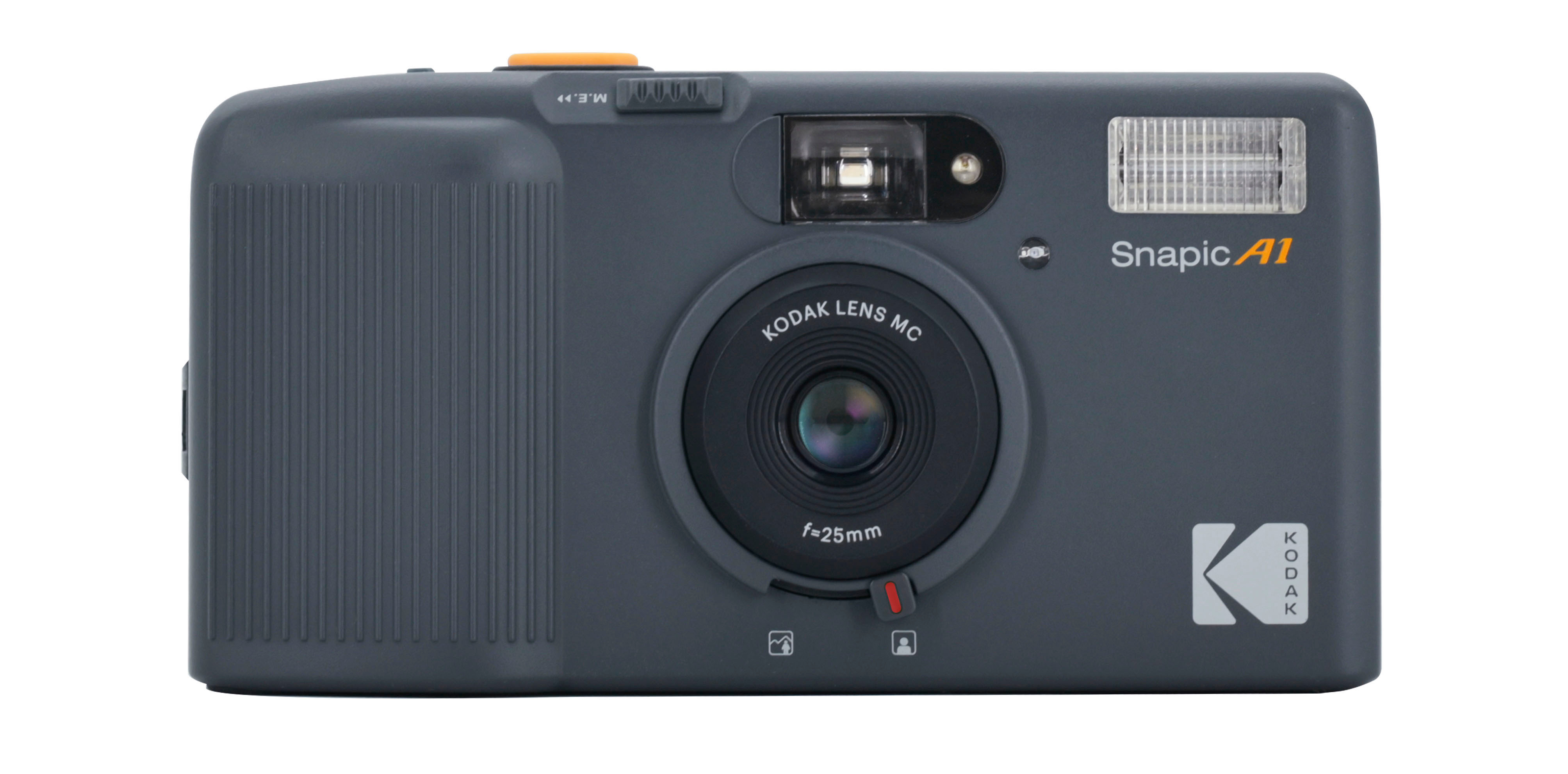
When the full specifications came out, there was good and not-so-good news. The good news is that the Snapic has a 3 element glass lens, 2 zone focus, a built-in flash with multiple modes, double exposures, an LCD displaying a film counter and other information, and auto film winding. All for just $99 USD.

The not-so-good news is that the camera is still quite basic in some respects, featuring a single 1/100 second shutter speed and single f/9.5 aperture. With these two values set, the camera has no need for a film speed selector or DX coding. Just load up film depending on your lighting conditions.

Recommended film choices are ISO 100/200 for sunny conditions or if you plan to use the flash, or ISO 400 for cloudy days. If you use colour negative film, even if you overexpose by a stop or 3, the photos look great.

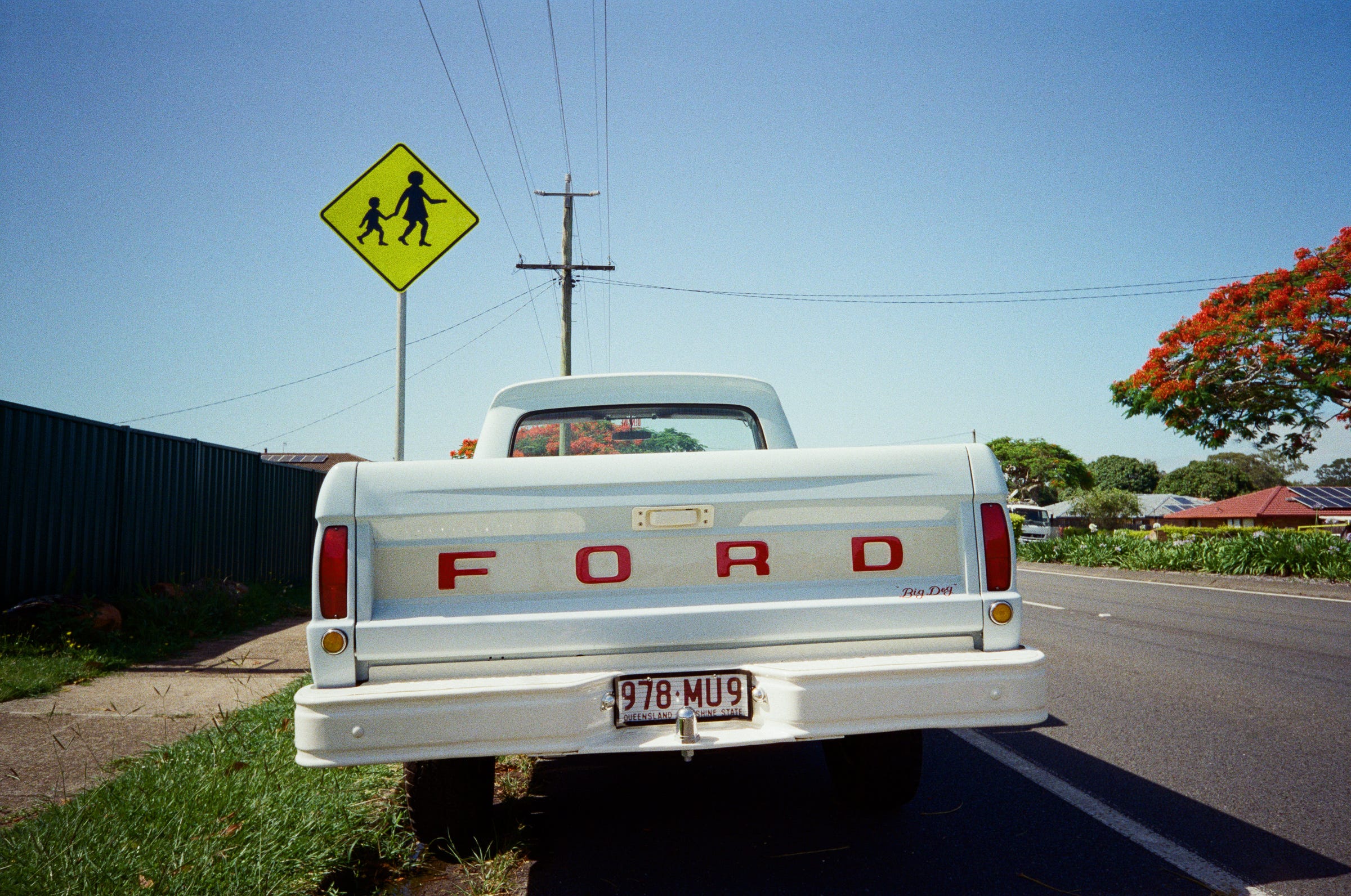
Despite the single shutter speed and aperture, the camera is capable of producing some sharp images with its super wide 25mm field of view.
My Snapic observations after 2 and a half rolls
To start taking photos you’ll need a roll of 35mm film and 2 x AAA batteries. Note that unlike some other cameras that only need power for the flash, the Snapic won’t work at all without batteries.
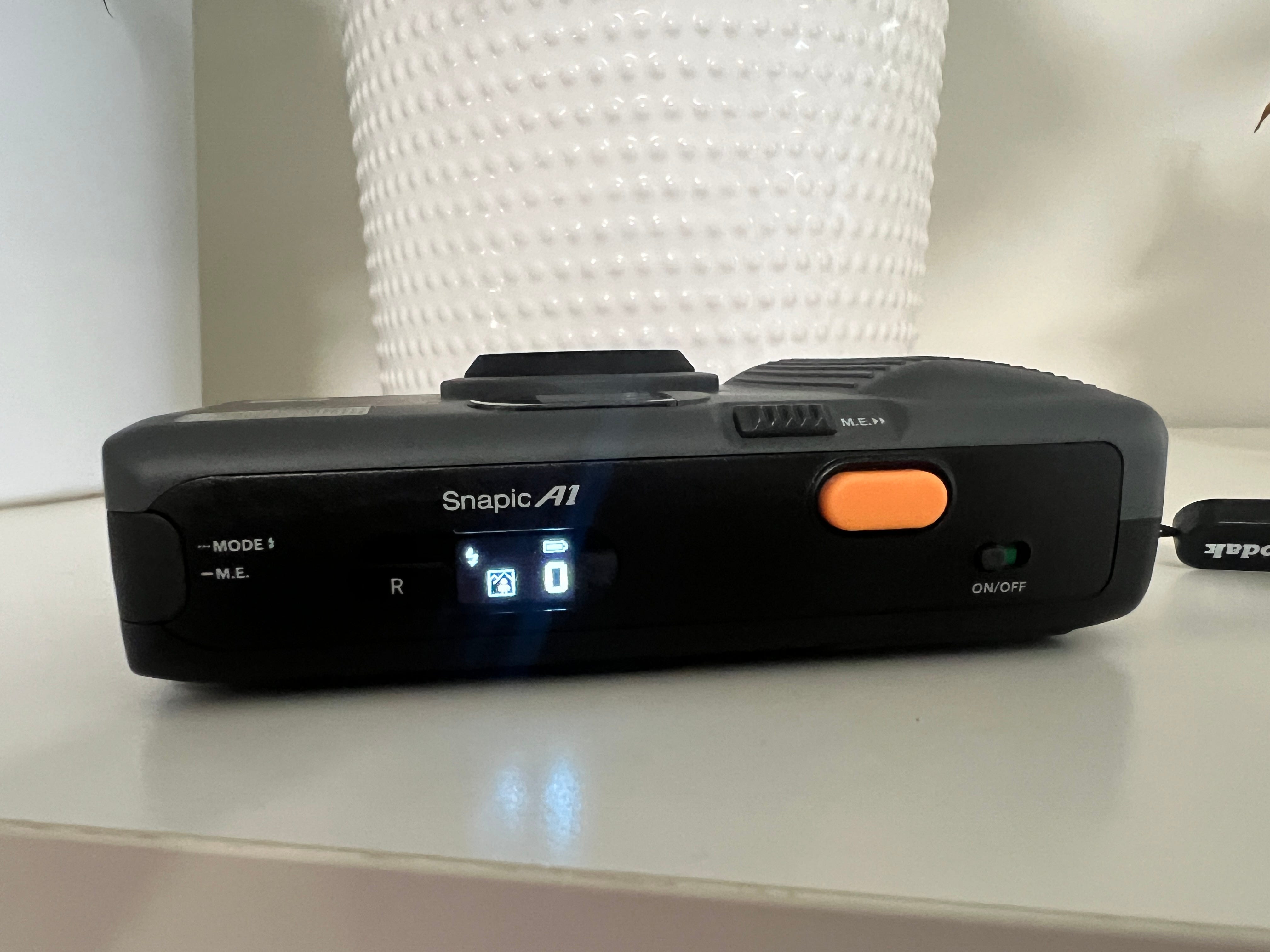
Generally, I’m not a huge fan of zone focus - it’s one of the issues that stopped me buying a Pentax 17. Having said that, I think it works well with the Snapic. There are only 2 zones: 0.5m-1.5m (1.6ft-5ft) and 1.5m to infinity.
I was really impressed that the LCD shows the current zone focus with an icon, very nice touch!

Impressively, the camera has a double exposure mode. Early marketing material referenced ‘multiple exposures (maximum 2)’ which of couse means the same thing. I really loved taking double exposures on the camera and I think it’s a great addition for a camera in this price range.

Although the lens has a different focal length to the Ultra Wide and Slim and the Pano (both wider at 22mm), it does have some similar quirks.

I was able to recreate a sun flare (above) that the Ultra Wide and Slim is famous for. Additionally, vignetting can be strong - especially when using the flash. Check out the photos of my daughter in the video to see some examples.
Another nice touch is that the Snapic remembers which flash setting you’re using when you turn the camera off. It then retains this setting next time you turn it on. This is a feature I wish so many 90s and 2000s cameras had!

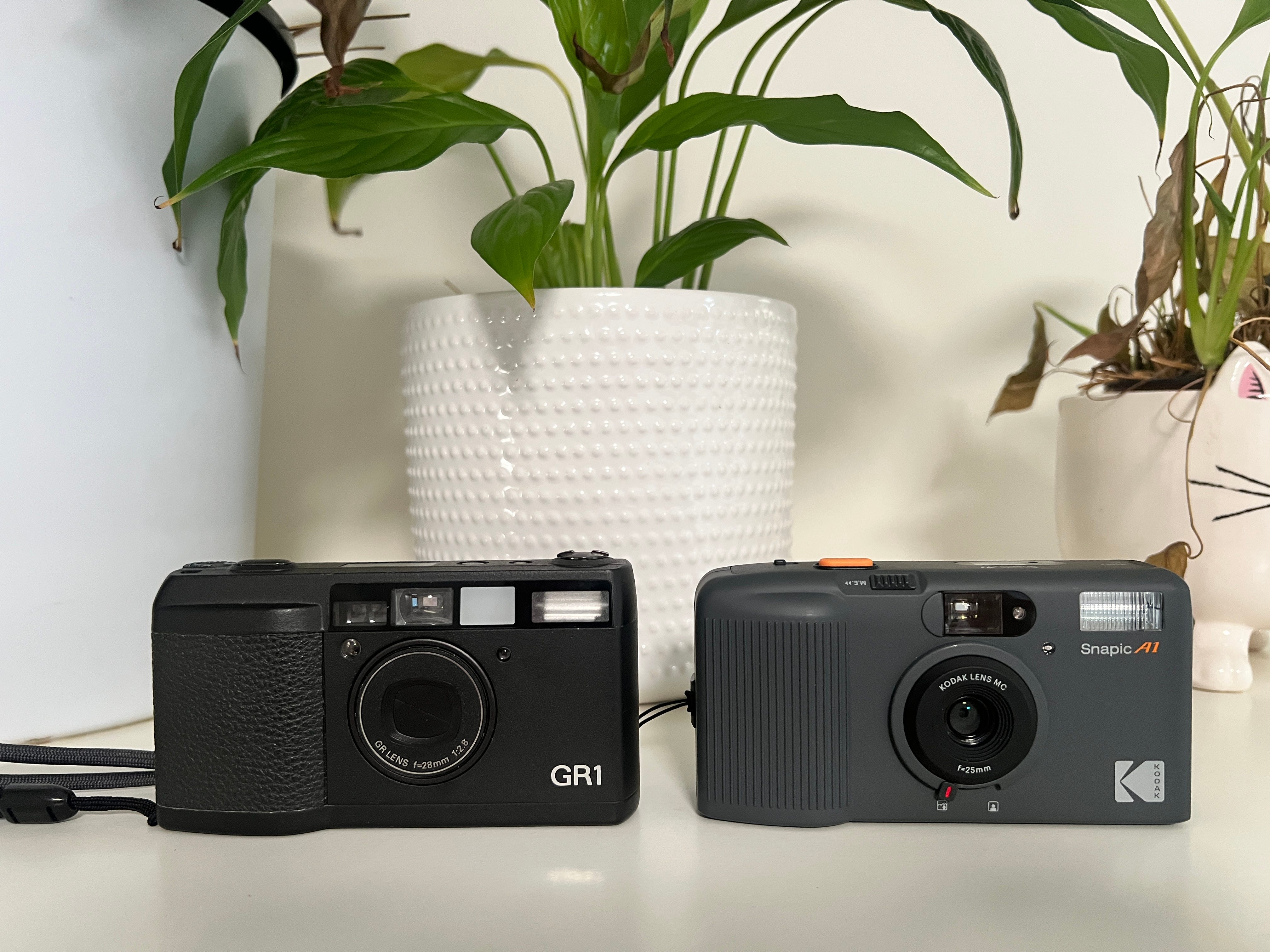
Some have noticed the similarity between the size and shape of the Snapic and the Ricoh GR cameras. They do indeed look very similar, with the GR a lot heavier due to its metal body versus the Snapic’s plastic contruction. Let’s hope future versions of the Snapic morph it slowly into a GR-like snapper, that would be truly impressive.
Read my Snapic article on Fstoppers
3 Months With the Snapic A1, Kodak’s Latest 35mm Film Camera
See more on YouTube
See more photos from the Snapic in my YouTube review.
See my Japan holiday photos taken on the Snapic! I compare the photos to images captured on my Ricoh GR1.
Cheers
Matt